Last updated: June 12, 2026
Quick answerMulti-day conference apparel needs a production and distribution strategy built around batch ordering, size-curve buffers, and pre-bagged fulfillment. The single-run model that works fine for a one-day 5K will get you in trouble fast. At Eagle Ridge in Meridian we tell every event coordinator the same thing: close your order window 3 to 4 weeks out, run one production batch from the final count, and ship pre-bagged kits to your venue 7 days before doors open. After 40-plus Treasure Valley conferences, the programs that skip that buffer are the ones calling us at 7 a.m. asking if we can press 200 XL shirts by noon.
Every spring and fall we get a wave of calls from leadership institutes, youth conferences, and corporate summits running three to five days somewhere in the Treasure Valley — a lot of them out of venues in Meridian or the Boise convention corridor. They all run into the same wall: ordering apparel for a multi-day event is a completely different problem than ordering shirts for a one-day thing. Five days means five wearings, different shirt needs across program tracks, name-and-role printing on some items, and a swap stock nobody remembered to budget for. We've run 40-plus of these. This is the playbook.
Why multi-day events break the normal ordering model
Last updated: September 21, 2026
A one-day 5K or community festival is manageable because the variables are small: you know the participant count a few weeks out, everyone gets the same shirt, and you hand it out at check-in. Multi-day events pull that rug out from under you pretty quickly.
- Registration runs for months, so the final size mix isn't locked until 2 weeks before the event at best.
- Attendees expect a kit, not just a shirt — typically a hoodie, water bottle, tote, and lanyard alongside the event tee.
- Multiple program tracks often need different decoration: faculty shirts versus attendee shirts, team A versus team B, speaker versus volunteer.
- Late additions happen on every event we've ever run, and they shouldn't blow up your production timeline.
- Distributing kits to 200 to 2,000 people at check-in requires pre-bagged, labeled organization. Bulk boxes don't cut it.
Online store plus production batch — two ways to run it
Most multi-day events we work with now use an online store tied to their attendee registration. You've got two real options for how you operate it.
Pre-event order window: The store opens when registration launches. Each attendee picks their size and any upgrades during checkout. The store closes 3 to 4 weeks before the event date. We run one production batch from that final count, pre-bag every kit by attendee name, and ship to your venue about a week out. Clean, cheaper per piece, and operationally simple. This is what we'd recommend for most events.
Continuous open with rolling batches: The store stays open all the way through registration. We run production in batches every 4 to 6 weeks. Late registrants get their kits shipped directly to their home address instead of to the venue. It costs a little more per piece, but it handles registration patterns that keep trickling in close to the event date without forcing hard cutoffs.
If your registration closes well before the event, go with the pre-event window model. If you're still adding attendees two weeks out, rolling batches are worth the extra cost.
What goes in a multi-day event kit
Standard kits for quality programs generally include:
- Event t-shirt with front graphic and back sponsor list if applicable.
- Hoodie or sweatshirt — evening sessions and air-conditioned venues make this more practical than optional.
- Branded water bottle, which eliminates per-day plastic bottle costs and functions as a take-home item.
- Tote bag or backpack that attendees actually use during the event, not just something they leave in the hotel room.
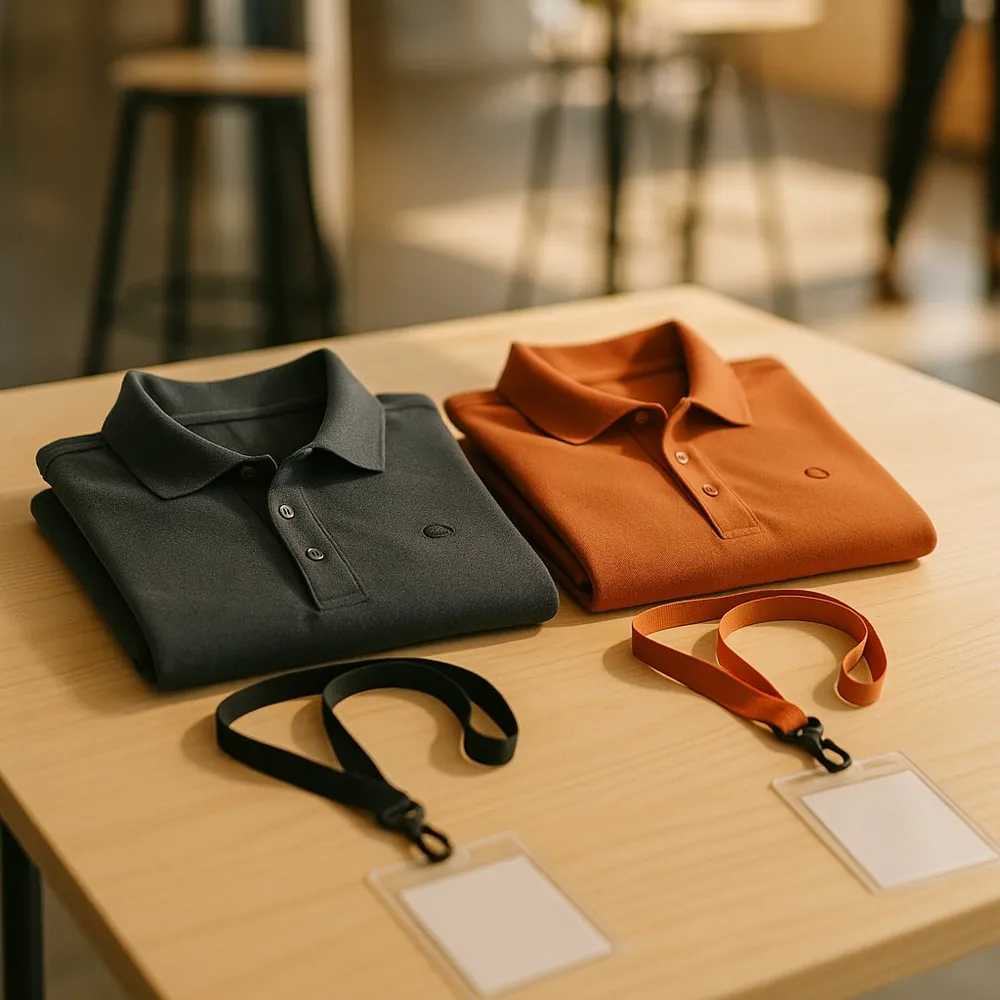
- Lanyard and name badge for credentialing and branding in one piece.
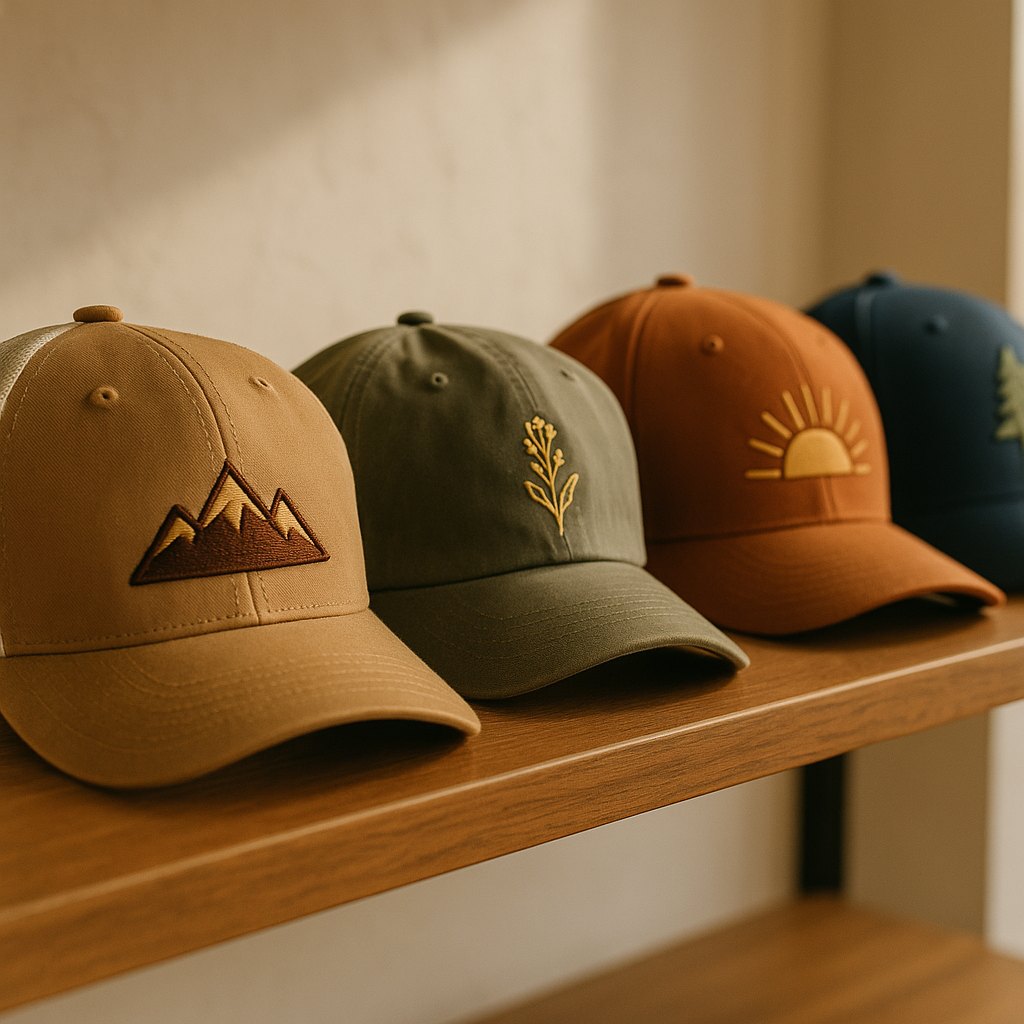
Premium tiers add a branded notebook, a tech accessory like a wireless charger or USB drive, an upgraded jacket, and an embroidered cap. (We see the tech accessory added most often for corporate leadership summits — it's a high perceived-value item for a relatively small cost increase.)
Quantity planning
This is where most first-time conference coordinators get burned. A few things we've learned from running these batches:
Order to registration data, not historical attendance. "Last year we had 380 people" is the wrong baseline. Pull this year's actual registration numbers and add a 5 to 7% buffer for stragglers. That's it.
Size mix matters more than total count. Most events under-order Mediums and over-order XL. Pull size data from the past 2 to 3 years if you have it and adjust for your audience. A youth leadership institute skews differently than a professional association conference. Trust the data, not your gut.
Budget a 5 to 10% overage. A few late registrants always show up day-of. Better to absorb a 10% surplus than scramble for a replacement production run. Surplus shirts are easy to use. Missing sizes at check-in are a problem you don't want.
Decoration method
DTF (direct-to-film) printing handles most event kit apparel well. Full-color photographic capability covers complex event branding without per-color setup fees. Variable customization is possible, so each shirt can carry a different sponsor logo or track designation without adding per-piece setup cost. It also works across fabric types — cotton tees, poly hoodies, performance fabric — without switching methods mid-run. Faster turnaround than traditional screen printing matters when registration runs late, and it usually does.
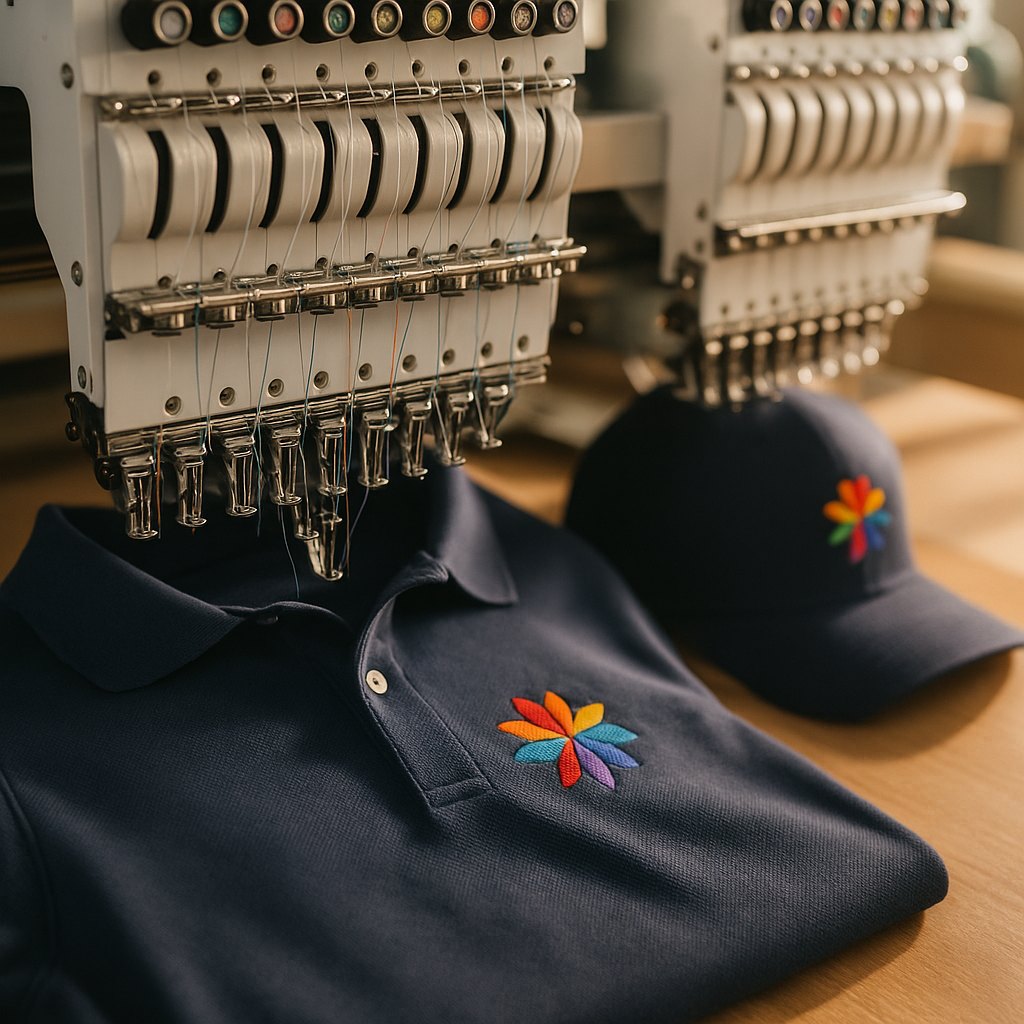
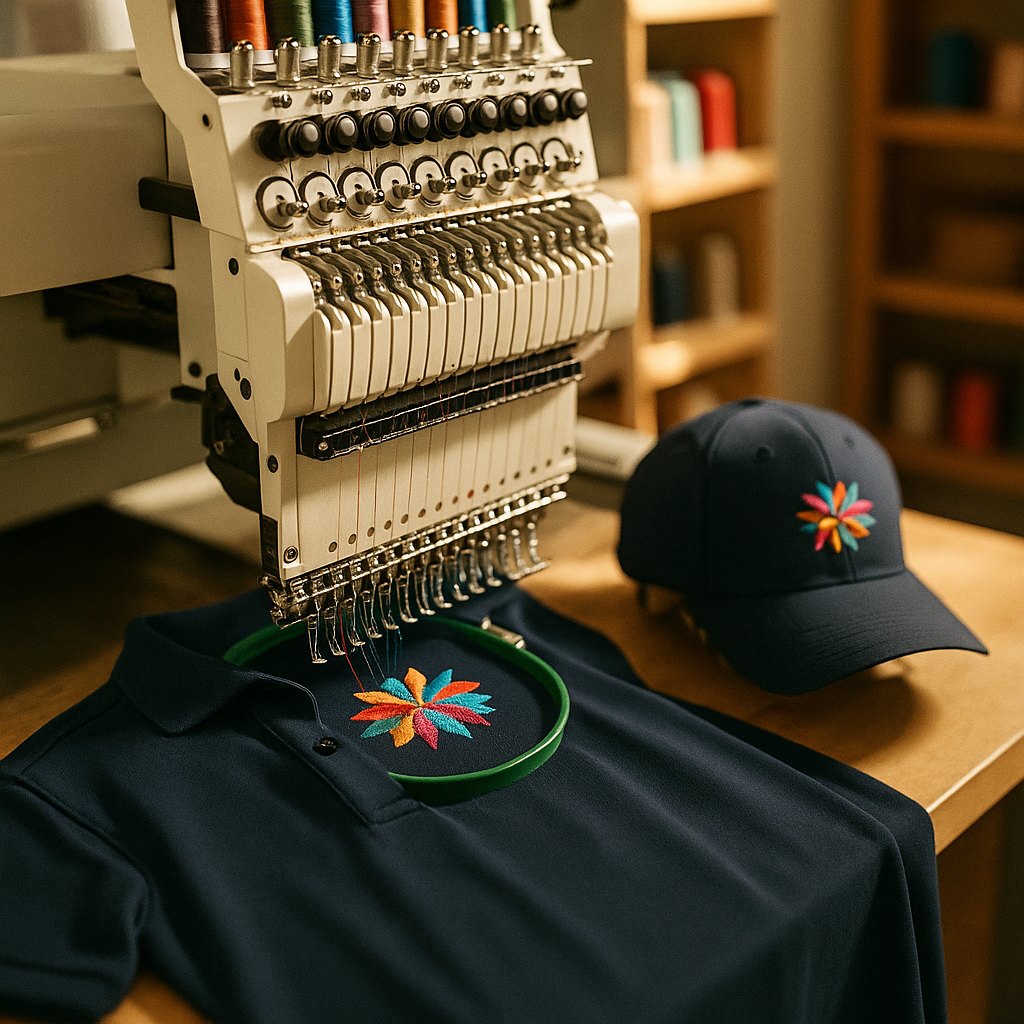
For embroidered items like caps, polos, and premium jackets, digital embroidery handles the same variable customization. Free digitizing on the first run at Eagle Ridge means there's no setup cost to worry about there either.
Fulfillment options
- Ship to venue, distribute at check-in. Pre-bag each attendee's kit with their name tag attached, drop-ship to the venue 5 to 7 days pre-event, and have volunteers hand them out at registration. Works well for most events under 1,500 attendees.
- Ship direct to attendees. Each registrant gets their kit at home 2 to 3 weeks before the event. Good for distributed audiences or when the pre-event mailing is part of your marketing strategy.
- Hybrid. First batch ships to venue, late registrants get individual home shipments. Reduces last-minute venue logistics without penalizing people who register early.
Mistakes that cost people money
Over-ordering "just in case." Surplus kits sit in storage permanently. Order to actual registration plus a small buffer and stop there.
Letting attendees change sizes after the order window closes. It cuts into per-piece economics and adds production complexity. Don't do it. Set the deadline and hold it.
Mixing too many decoration methods. Five different items, each requiring a different production process, means five separate timelines. Standardize where you can.
Skipping pre-shipment QC. A 2% defect rate on 500 kits is 10 unhappy attendees at check-in. We do a QC pass before anything ships. You should require that from whoever you're working with.
No swap stock at the registration desk. Hold a small inventory of replacement sizes on-site. Someone will show up claiming they ordered a Medium when the data says XL. You want to be able to handle it without an argument.
What to budget per attendee
- Basic kit (shirt + lanyard): $14–22 per attendee
- Standard kit (shirt + hoodie + water bottle + tote + lanyard): $42–68 per attendee
- Premium kit (standard kit plus tech accessory + branded notebook + upgraded jacket): $85–140 per attendee
For events charging $300 to $1,500 per attendee in registration fees, the apparel kit lands at roughly 3 to 8% of total revenue. Most event organizers are already budgeting in that range under marketing or swag — these numbers fit.
Ready to plan your event apparel?
Send your event details — expected attendance, kit composition, timing — to or visit our team stores hub. We've run multi-day apparel programs for youth conferences, leadership institutes, and corporate summits across the Treasure Valley. Same operational playbook, whatever the size.
Frequently asked
How much should I budget per attendee for conference apparel?
A standard kit — shirt, hoodie, water bottle, and swag bag — typically runs $42 to $68 per attendee depending on decoration type and quantity. Eagle Ridge can break down per-piece cost by item once you share your registration cap and kit composition.
How do online stores work for multi-day conference shirt ordering?
Attendees pick their size during registration checkout through a linked online store. The store closes 3 to 4 weeks before the event and we run one production batch from the final count. Pre-bagged kits ship to your venue about a week before doors open.
Can Eagle Ridge handle same-day rush orders for last-minute conference additions?
Same-day rush is available on most in-stock items at Eagle Ridge in Meridian, ID — reach out to confirm stock before you commit. For larger late additions, 48 hours is the safer target.
Ready to start your order?
Send us your event details and we'll come back with mockups, pricing, and a real turnaround date within 24 hours.
Get a Quote contact usHow We Make This Stuff
Everything covered in this post is produced in our Meridian, Idaho shop at 2700 E Lanark St. Eagle Ridge Apparel is a family-run print shop serving the Treasure Valley since 2019 — we embroider, screen print, DTF, sublimate, laser-cut leather patches, laser-engrave drinkware, and UV-print promotional goods on equipment we operate ourselves. No outsourced decoration, no overseas fulfillment, no third-party middlemen.
Most custom apparel orders ship in 7–10 business days from approved mockup. Rush production in 3–5 business days is available on most decoration methods; embroidered hats are the tightest constraint. We hold no minimums on any decoration type — order one piece or one thousand — though pricing scales aggressively over 50, 100, and 250-piece tiers. Free digital mockups before production starts. We don't begin a run until you sign off on what it'll look like.
Two ways to order: design it yourself online in our designer tool (any quantity, any decoration method), or request a custom quote and we'll send back pricing within one business day. Talk to a real person — email info@eagleridgeapparel.com or send us a message, and most inquiries get a response within two hours during the business day.