Last updated: June 22, 2026
Quick answerOrdering custom apparel online goes smoother when you know the 10 details that most first-timers miss — file formats, color matching, sizing charts, and realistic turnaround times chief among them. At Eagle Ridge Apparel in Meridian, ID, most orders turn in 7–10 business days, there's no minimum on DTF print jobs, and we include free digitizing on your first embroidery run. Get those basics right before you approve a proof and you'll avoid the two most expensive mistakes: wrong sizes and rushed reprints.
Last week a Nampa landscaping company called asking about polos for their crew — twelve guys, two-color chest logo, wanted them done before a job site walkthrough on Friday. First thing they asked: "Do we need to send you a special file?" That question comes up constantly, and it's a good one. Before you place your first custom-apparel order, there are a handful of things worth knowing so you're not stuck with shirts that look wrong, show up late, or cost more than they should have.
File Format Matters More Than You Think
Last updated: September 22, 2026
The best formats for custom apparel are vector files:.AI,.EPS, or.SVG. These scale to any size without losing quality. If you only have a.JPG or.PNG, we can sometimes work with it — but the resolution needs to be 300 DPI or higher. A logo pulled from your website at 72 DPI will look blurry when printed at 10 inches wide, and we'll have to redraw it. That adds time.
If you're not sure what you have, just send it. We'll tell you exactly what we need.
Your Colors May Look Different on Fabric
Screens use RGB color. Printing and embroidery use Pantone (PMS) or CMYK. What looks like a vivid navy on your monitor can print differently on a cotton-poly blend, especially under different lighting. If brand color consistency is non-negotiable for you, ask for a Pantone color match upfront. It's a simple step that prevents headaches.
Always Ask for a Digital Mockup Before Anything Goes to Production
Every reputable decorator should send you a proof before running a single shirt. Review it carefully: logo placement, print size, colors. Once you approve the proof, production errors are on you, not us. (I know that sounds harsh, but it's true for every shop you'll order from — so take thirty seconds and actually look at the proof.)
Sizing Charts Are Not Universal
A medium from Bella+Canvas fits differently than a medium from Gildan or Port Authority. Always check the specific chart for the garment you're ordering. We include garment-specific size charts with every quote — use them. Getting sizing wrong on 60 shirts is an expensive lesson.
Minimums Are Smaller Than You Expect
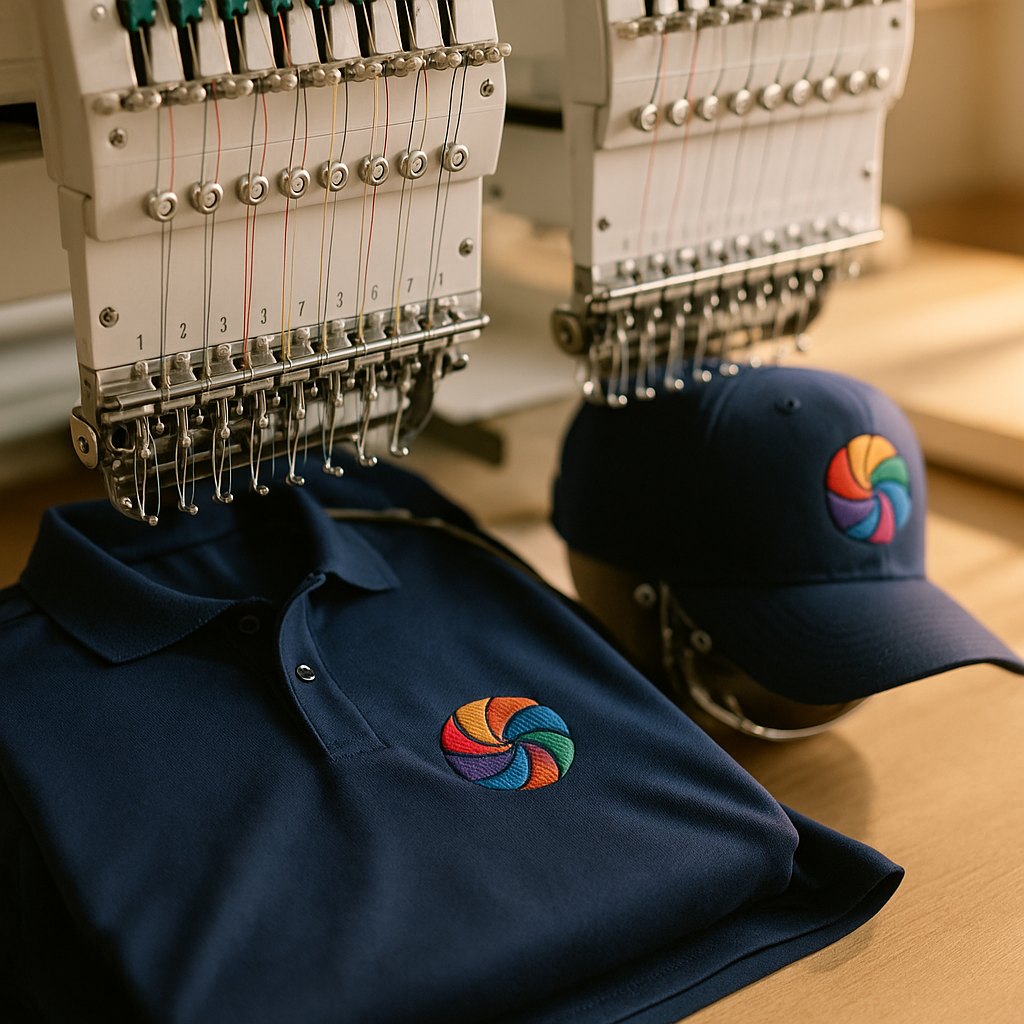
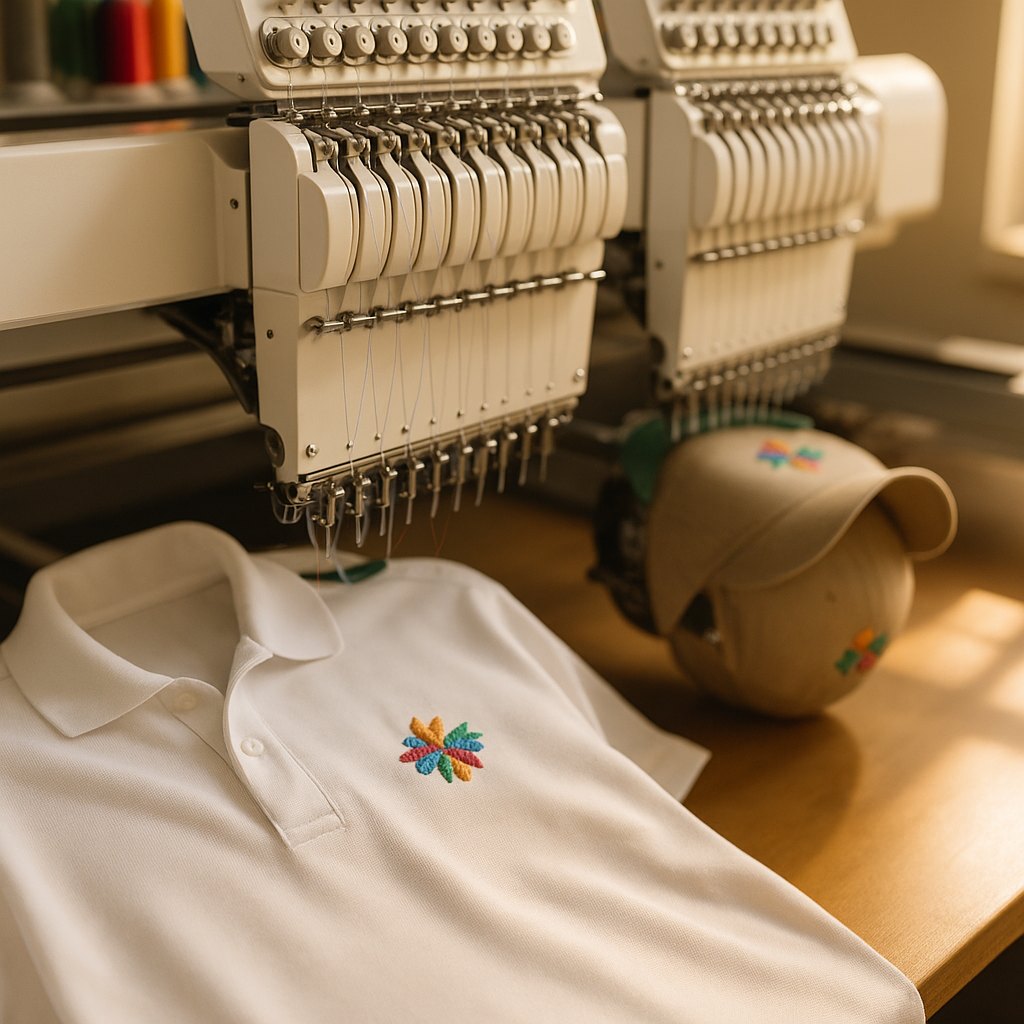
The "144-piece minimum" era is largely over for shops using modern equipment. With DTF printing, we can do a single piece. Embroidery setups do cost more per unit at low quantities, but we run embroidery jobs in the single digits regularly. At Eagle Ridge, there's no order minimum on most jobs — and we waive the digitizing fee on your first embroidery run.
Need it done locally? Eagle Ridge prints and embroiders in Meridian, ID. No minimums, free digitizing on your first run, and 4.9★ on Google across 48 reviews. Get a free mockup →
Turnaround Time Starts After Proof Approval
The clock on your order doesn't start when you submit a request. It starts when you approve the proof. Count on one to two business days for proofing, then five to ten business days for production depending on quantity and complexity. Rush 24-hour service is available, but the fastest way to get your order is to respond to the proof quickly. Seriously — we've had jobs sit for a week waiting on proof approval.
Ordering Extra Pieces Is Cheaper Than Reordering Later
Per-unit cost drops with quantity. If you think you need 50 shirts, ordering 60 now will almost always cost less per shirt than placing a second order of 10 next month. The setup is already done. Reorders from scratch restart that cost. Order a few extras if you're close to a round number.
Decoration Placement Has Standard Sizes
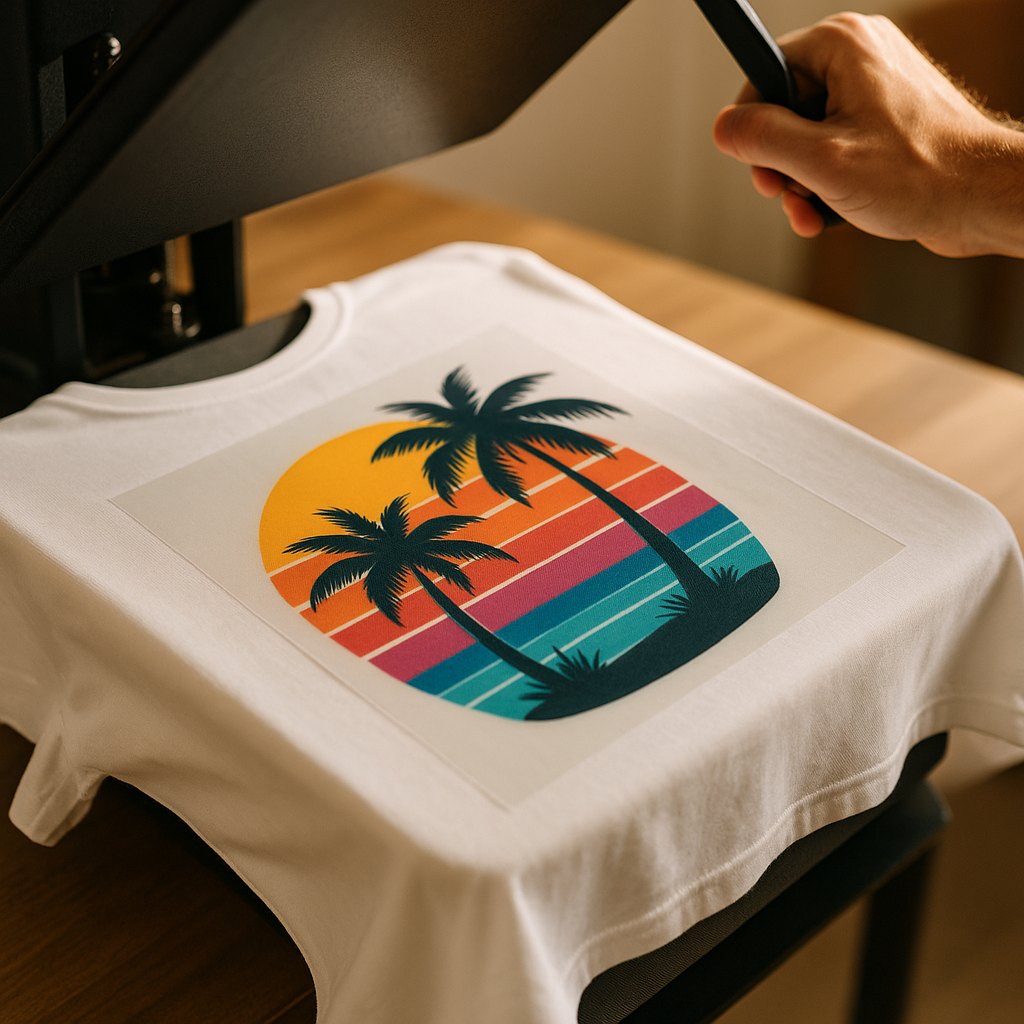
Left-chest logos are typically 3 to 4 inches wide. Full-front prints run 10 to 12 inches. Edge-to-edge oversized prints cost more because they use more material and take longer to cure. Ask to see a size reference on the mockup — "3-inch logo" means something different to every customer until you see it on a shirt outline.
Dark Garments Require Different Ink Handling
Printing on dark fabric with screen print or DTF usually requires a white underbase so the colors show up. Without it, a yellow graphic on a black shirt will look muddy or barely visible. Embroidery isn't affected by garment color the same way, but thread color selection matters more on dark backgrounds. Mention the garment color when you send your artwork — we'll flag anything that needs adjusting.
Tell Us How the Shirts Will Actually Be Used
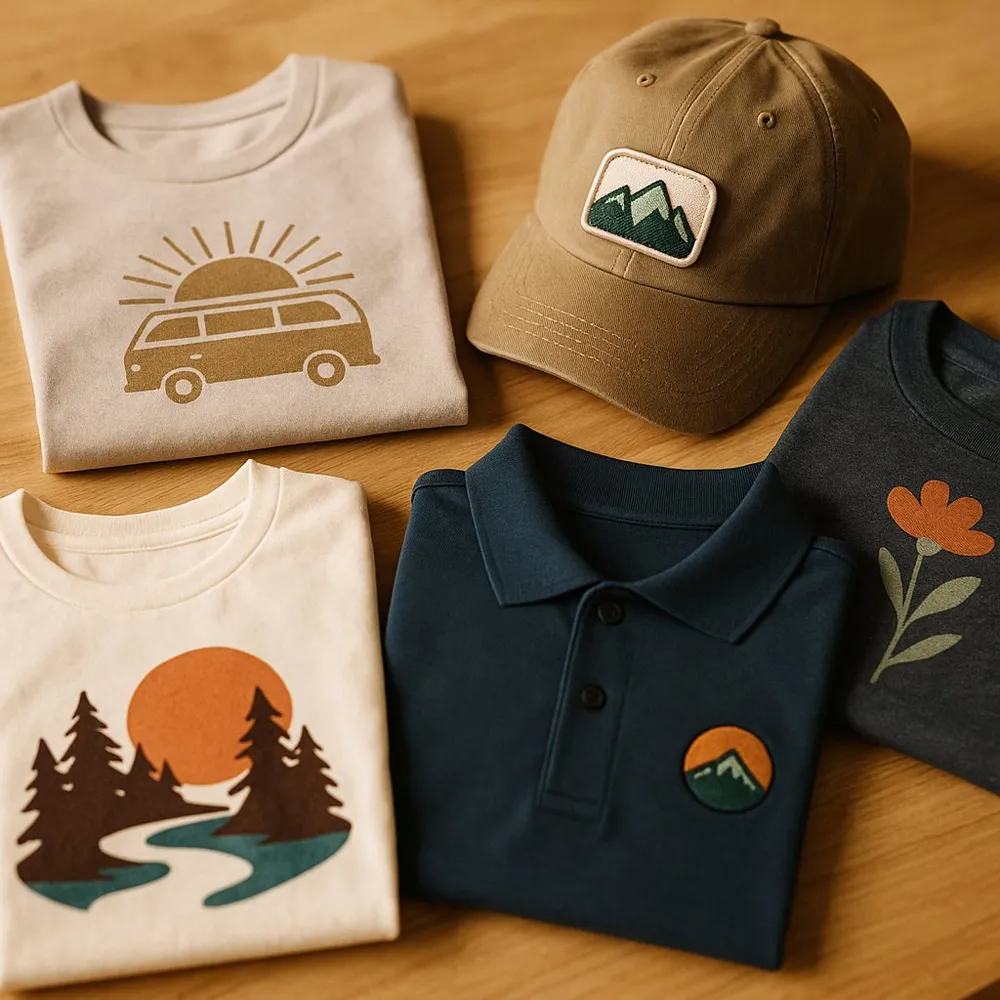
Uniforms that get washed five days a week need a different decoration method than event shirts worn once at a company picnic. Outdoor workwear in the Treasure Valley summer heat calls for different fabric than a one-day volunteer tee. A quick conversation upfront changes which method, fabric, and ink type we recommend. Don't assume we'll figure it out from the order form alone — just tell us the situation.
Got questions before your first order? Reach out and we'll walk through the whole thing with you, no pressure. Or submit your logo for a free mockup and see how your design looks before you commit to anything.
Frequently asked
What file format do I need for custom shirt printing?
Vector files —.AI,.EPS, or.SVG — are the best formats because they scale to any print size without losing quality. If you only have a.JPG or.PNG, it needs to be 300 DPI or higher; anything pulled from a website at 72 DPI will require a redraw, which adds time and cost.
How long does a custom apparel order take in Meridian Idaho?
Most orders at Eagle Ridge Apparel in Meridian, ID turn in 7–10 business days from approved proof. Same-day rush is available on in-stock items — reach out to confirm availability before you need it.
Do I need to order a minimum quantity for custom shirts?
Eagle Ridge runs DTF print jobs with no minimum, so a single piece is fine. Embroidery costs more per unit at very low quantities, but single-digit runs happen regularly — no 144-piece minimums required.
How We Make This Stuff
Everything covered in this post is produced in our Meridian, Idaho shop at 2700 E Lanark St. Eagle Ridge Apparel is a family-run print shop serving the Treasure Valley since 2019 — we embroider, screen print, DTF, sublimate, laser-cut leather patches, laser-engrave drinkware, and UV-print promotional goods on equipment we operate ourselves. No outsourced decoration, no overseas fulfillment, no third-party middlemen.
Most custom apparel orders ship in 7–10 business days from approved mockup. Rush production in 3–5 business days is available on most decoration methods; embroidered hats are the tightest constraint. We hold no minimums on any decoration type — order one piece or one thousand — though pricing scales aggressively over 50, 100, and 250-piece tiers. Free digital mockups before production starts. We don't begin a run until you sign off on what it'll look like.
Two ways to order: design it yourself online in our designer tool (any quantity, any decoration method), or request a custom quote and we'll send back pricing within one business day. Talk to a real person — email info@eagleridgeapparel.com or send us a message, and most inquiries get a response within two hours during the business day.